Genetics
Gwydir Goats Genetics
At Gwydir Goats, we believe that superior performance starts with diverse, high-performing bloodlines. By carefully selecting genetics from established studs, our breeding program is designed to combine structural soundness, hardiness, and rapid growth rates.
Our lineage
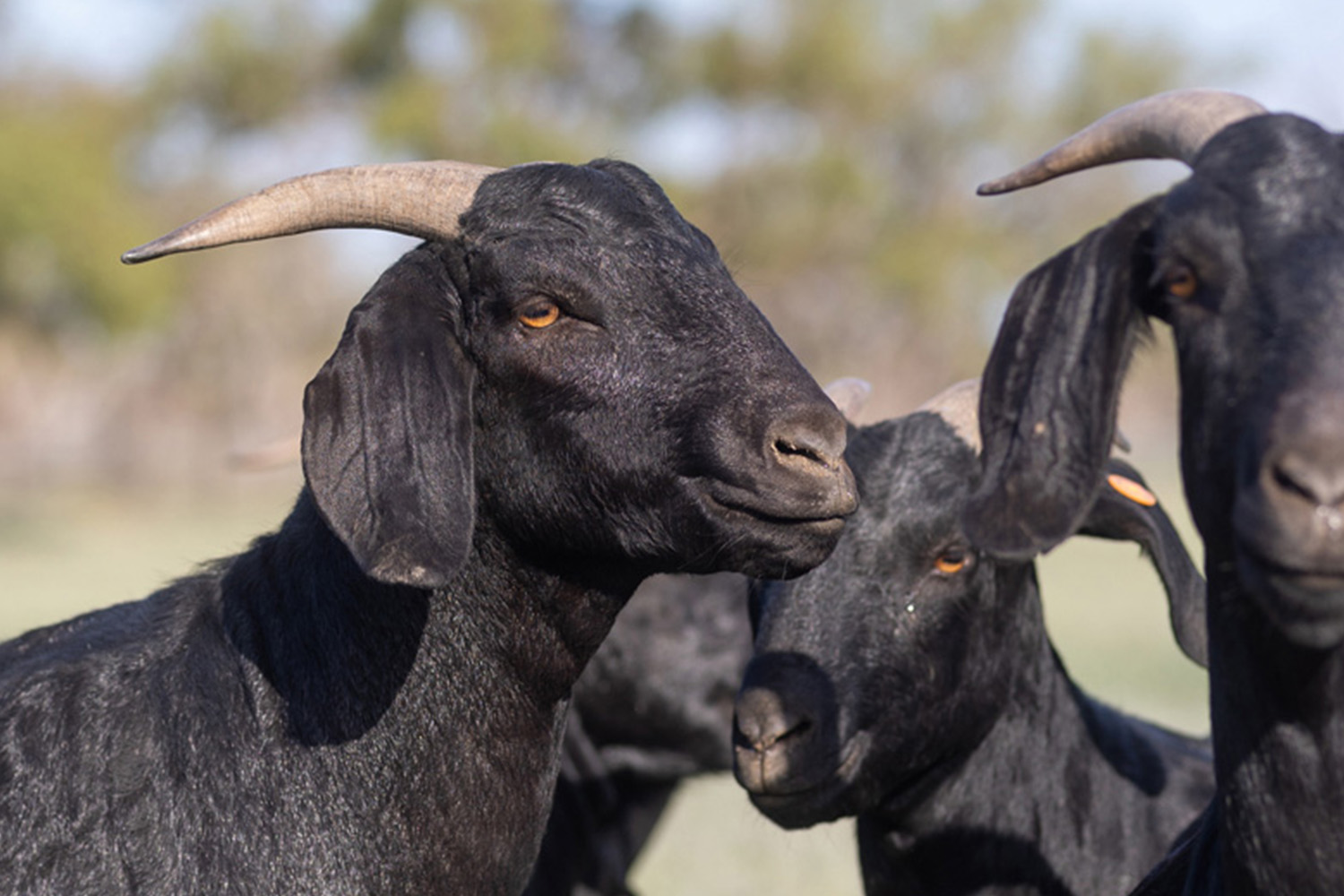
Sourced from Australia's leading studs
To maintain vigor and a broad Boer genetic base, our flock has drawn from a diversity of genetics from other reputable studs.
What this means for your breeding program?
Bred for performance and resilience
Merging established bloodlines allows us to breed goats tailored for both domestic demands and international export markets. Our focus remains unwavering on:
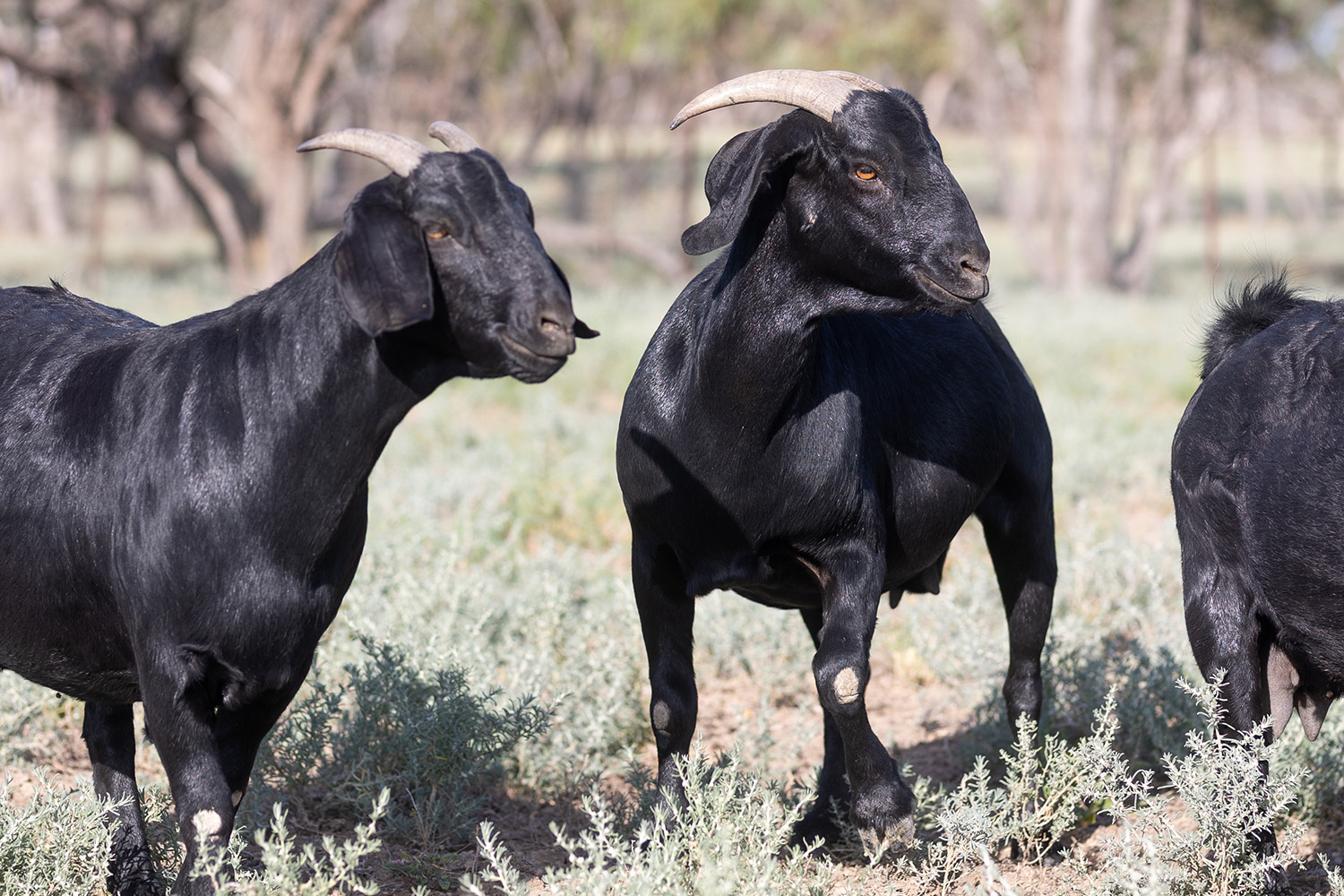
Structural Soundness and Conformance
- Feet and Legs: Strong leg positioning and correct hoof structure are vital. Because Boers are heavy, structurally weak legs can ruin a buck’s libido or cut a doe's productive lifespan short.
- Teat and Udder Structure: Ideal genetics favor two functional, clean teats. Extra or cluster teats are bred out, as they interfere with a kid’s ability to suckle effectively.
- Jaw Alignment: Perfectly aligned jaws (avoiding overbites or underbites) ensure the animal can forage and graze efficiently over long distances
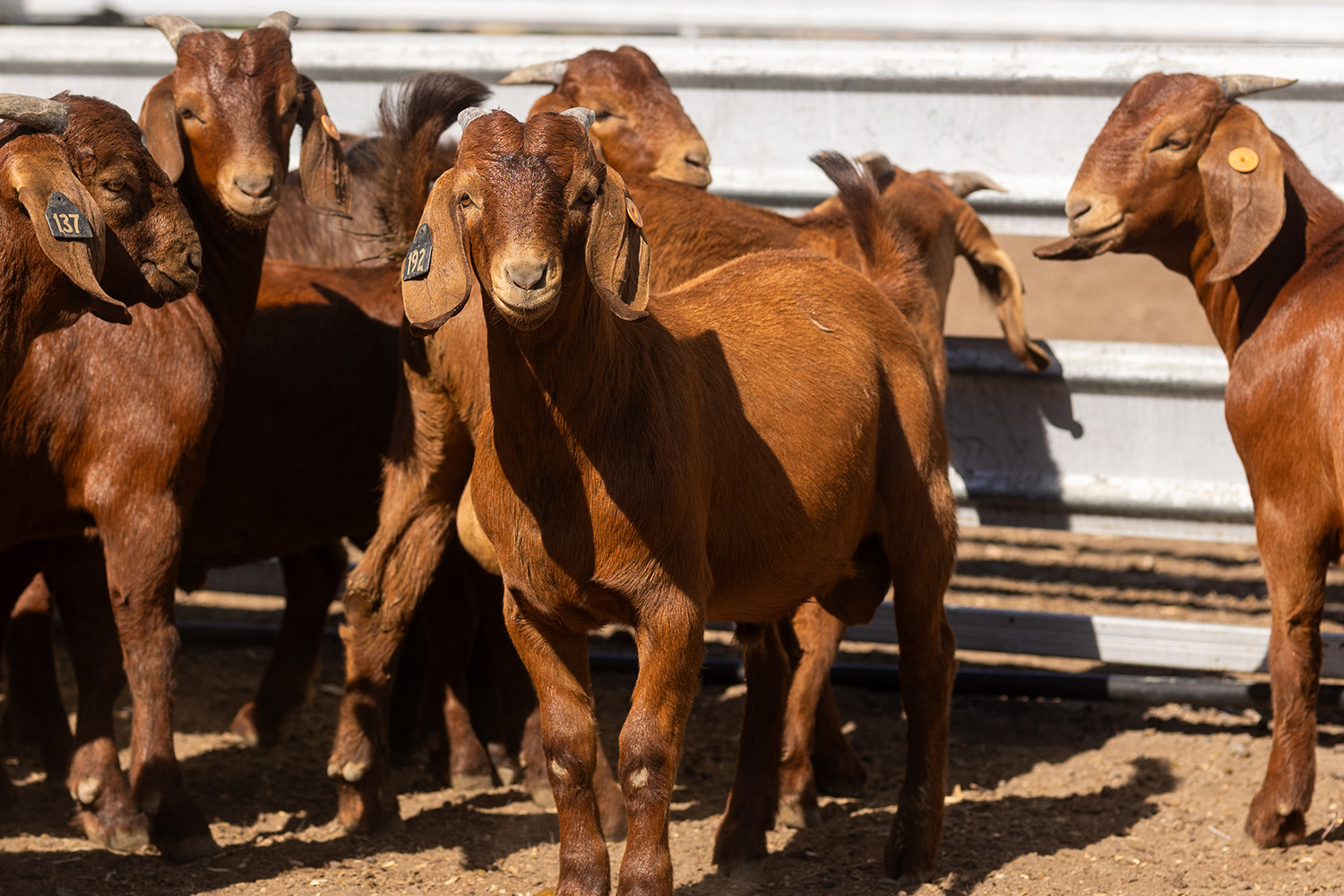
Maternal and Reproductive Traits
- Prolificacy and Fertility: Genetics dictate a doe's lifetime kidding frequency and her likelihood of consistently producing twins or triplets.
- Mothering and Milking Ability: A doe must have the genetic drive to protect her kids and produce enough high-quality milk to sustain rapid pre-weaning growth.
- Kidding Ease: Selecting lines with a history of unassisted births minimizes labor costs and reduces kid mortality rates
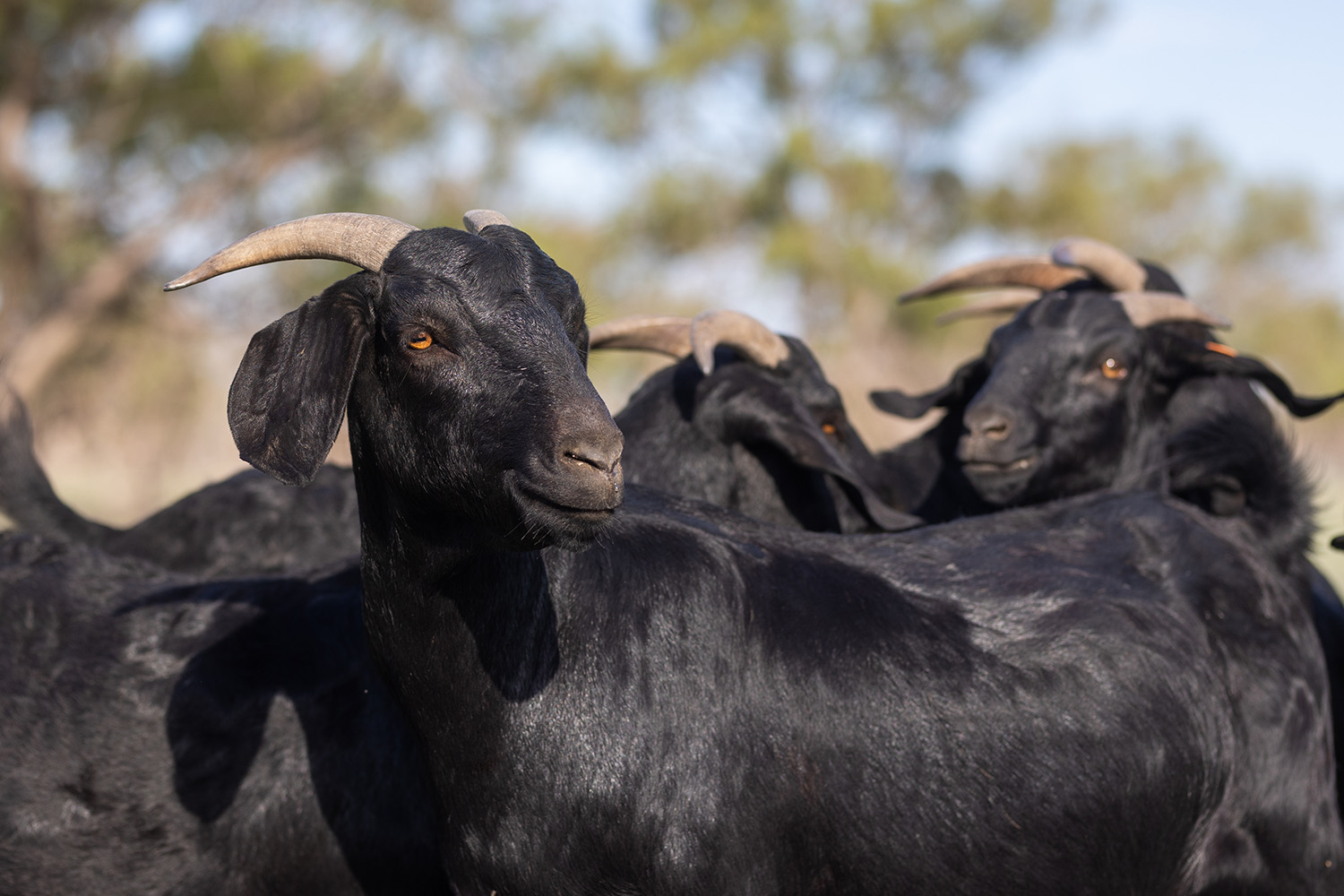
Hardiness, Parasite Resistance, and Adaptability
- Disease Resilience: While Boer goats are generally adaptable, selecting individuals that naturally maintain low parasite loads (often visible via a sleek, healthy coat) lowers medical intervention costs.
- Foraging Capability: Top-tier genetics preserve the breed's historical ability to thrive in extensive, semi-arid environments on low-quality vegetation, avoiding the need for expensive full-ration feeding.
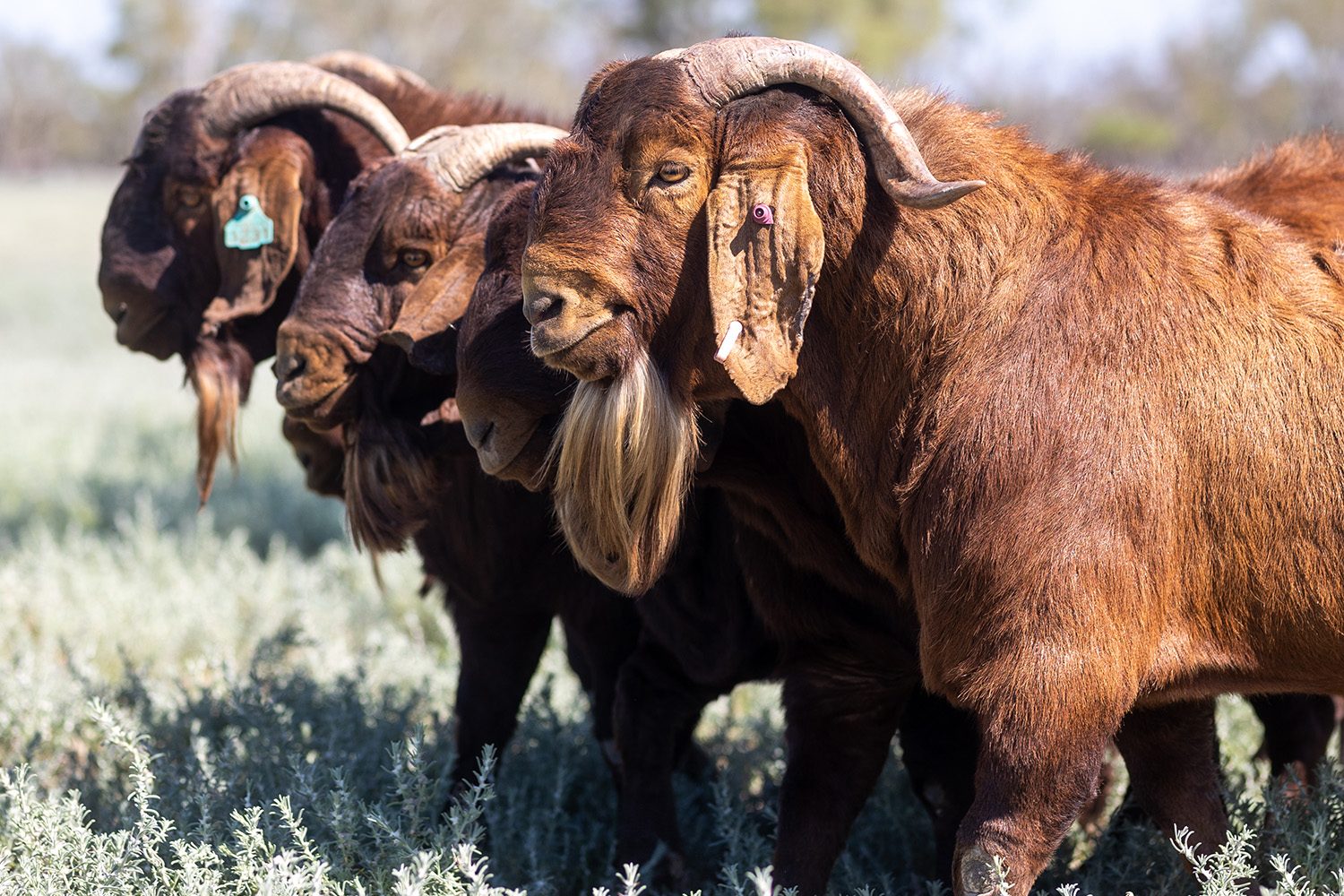
Growth Rates and Meat Yield
- Average Daily Gain (ADG): Selecting for high post-weaning growth rates ensures kids reach market weight faster, drastically reducing time to slaughter.
- Carcase Characteristics: Look for genetic lines with superior muscle distribution, wide chests, deep bodies, and high dressing percentages (the meat-to-carcase ratio)